
Don’t let this “demon” hold you back…
One of the most important lessons I’ve learned from my recovery journey is to identify the negative issues that consistently sabotage my beliefs, hold me back, and keep me from making long-term, sustainable changes. I call those negative issues “demons.”
Harry Potter fans might remember those hideous flying creatures known as Dementors. They feed on human happiness and generate feelings of despair. That’s what your demons do—they derail, discourage, and demoralize you. They tell you lies and slowly suck the life out of you.
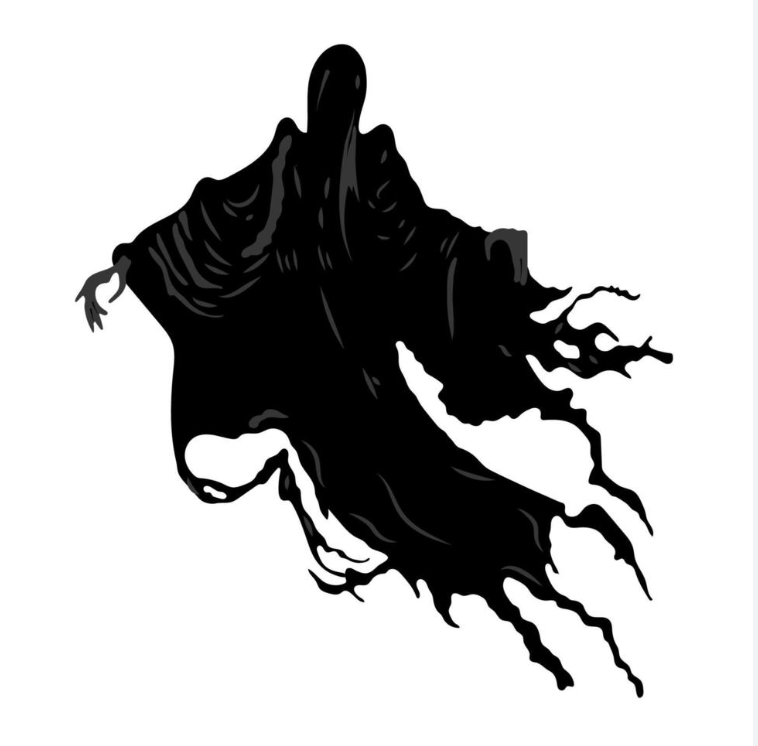
Demons are unique to the individual, but we all struggle with them. If you’re trapped in a hole, you’re likely worn down and even more vulnerable to their attacks.
This week I’d like to zero in on one demon in particular.
I chose this demon because it’s so common, we often don’t think of it as a demon.
This demon causes unnecessary stress and anxiety. It derails us from doing things that lead to long-term healing and recovery. And most tragically—it often keeps us from being a blessing to others.
The demon?
I call it WOPT Syndrome.
WOPT stands for What Other People Think.
There is no shortage of critics in the world—people eager to judge you, shame you, and make you feel unworthy, incompetent, inadequate, or just plain stupid.
Some of them live on the internet and social media.
Others might be members of your own family, your friends, or your coworkers.
Here’s what’s easy to forget.
William Shakespeare had critics. So did authors J.K. Rowling, Dr. Seuss, and J.R.R. Tolkien.
Can you imagine if these writers had read the scathing one-star reviews of their works on Amazon and decided to stop writing because someone hurt their feelings?
The same goes for musicians, politicians, educators, and leaders in nearly every field.
The ability to accept critical feedback holds extraordinary value. But all too many of us don’t share an important idea, don’t write the book, don’t publish the song, don’t run for office, and don’t do things that could bless and benefit others, all because we fear criticism and what other people think.
I’ve been caught in the WOPT Syndrome trap far too often—including the years I was writing my book.
In one instance, I made the regrettable decision to read the one-star Amazon reviews of a favorite book, Atomic Habits by James Clear.
(A bit of background is in order. Atomic Habits is one of the most influential and bestselling nonfiction books published in the past decade. It’s a weekly top-ten-selling book on Amazon and has almost 150,000 reviews with a remarkable average of 4.8 out of 5.)
It didn’t take long to find several Atomic Habits reviews so personal, shaming, scathing, and demeaning—they stopped me dead in my tracks.
I told myself the story, “What if someone said something like that about my book? It would crush me. I’d have to run away and live in seclusion for the rest of my life. Maybe it would be safer to just not write and publish. That way, nobody could say things like that about me.”
Honestly, the thought filled me with so much dread I almost stopped writing.
If you’ve struggled with WOPT Syndrome, it’s important to know that you’re not alone.
It’s also important to know that there are simple steps to help navigate this complicated and sometimes intensely personal challenge.
When you struggle with WOPT Syndrome while contemplating an opportunity, making a decision, or taking on a goal, ask yourself these three questions. (Some might be more relevant than others—try them all on for size.)
Ten years from now, will I wish I had listened to my critics?
Ten years from now, will I be healthier, happier, stronger, more fulfilled, and more resilient if I had listened to my critics?
Ten years from now, will the people and causes I care about be better or worse off because I chose inaction and avoided criticism?
I know—these aren’t always black and white decisions. And there’s incredible value in listening to the wisdom and advice from people you trust.
But PLEASE, don’t make the mistake that I and others have made far too often—the mistake of not doing things that will be a blessing to you and to others because of WOPT Syndrome.
This is all especially important in light of the fact that YOU ARE the answer to OTHER PEOPLE’S prayers.
And those people NEED YOU. They need your talent, your ideas, your creativity, your compassion, your resolve, and your solutions. They need your faith and your love.
I do, too.
Until next time,
John Alan
