
Hi, my friend. I’m John Alan.
LIVE AGAIN! is the book I never intended to write. Here’s how it happened.
On February 14, 2021, I nearly choked to death.
I was preparing to grill some gorgeous rib eye steak and had made a drink for my daughter. That’s the last thing I remember. The next three hours are a complete blackout. (Remember the blackout part because it’s important.)
I know now that somehow while grilling, I choked on a piece of steak. I must have made my way to the bathroom because I returned to the kitchen with my hand on my throat.
My daughter’s boyfriend jumped into action. The Heimlich maneuver didn’t work, and I lost consciousness. He began CPR on the spot.
It’s important to understand that choking is like putting a cork in your respiratory system. Your oxygen supply is cut off, and eventually, everything stops—including your heart.
I had no pulse when paramedics arrived. I was in a state of nonshockable cardiac arrest and was possibly moments away from being gone for good. The first responders acted quickly. They managed to locate and remove the deeply lodged piece of steak and open my airway. Miraculously, my heart rebooted, and I was rushed to the local hospital’s emergency room.
I spent the next eight days in the hospital (the first four in the ICU) being monitored 24/7, breathing supplemental oxygen, hugging a pillow, coughing up red sludge, and receiving around-the-clock respiratory treatments. In the early evening of February 22, I was released and actually walked out of the hospital.
I mentioned that the entire traumatic event is a blackout for me. There’s a three-hour window of nothing. It turns out that, even when you don’t remember a specific incident, your subconscious sometimes recalls everything. It now seems that some part of my brain remembered and kept replaying my struggle over and over again. But I didn’t know or understand this at the time.
I started having terrible nightmares coupled with vivid, violent, and nerve-racking daydreams. My pulse would race over ninety beats per minute—nonstop for days on end.
I was anxious and afraid. I struggled to focus. I also felt constant worry and hopelessness. Everything was hard. Just hard. I truly believed that I was crazy, I was alone, and that no one could possibly understand what I was going through.
Through all of this, I kept wondering, “What’s wrong with me?” Was it a moral or character defect? If I cared enough, if my faith was strong enough, if it tried hard enough, and if my attitude was positive enough, I should be getting better. Right?
I don’t know if I had a single rock-bottom moment. I had dozens of rock bottoms. Finally, roughly six months after the Valentine’s Day Miracle, I reached out for help. By October I was diagnosed with post-traumatic stress disorder (PTSD).
It was sometime during this period that a friend recommended a book titled Upside by Jim Rendon. The book is about a newer body of research called Post Traumatic Growth (PTG).
PTG is the idea that people can TRANSFORM and GROW as a result of trauma, tragedy, and adversity. They can be different and even better than they were before. PTG doesn’t mean survivors don’t struggle. PTG means that struggle can result in positive change.
A quote by researcher Richard G. Tedeschi stopped me dead in my tracks.
“In the aftermath of an earthquake, why not build something better?” suggests Dr. Tedeschi. “Don’t just live beneath the rubble, don’t just build the same crappy building that you had before.”
In the aftermath of my earthquake, the idea of post-traumatic growth gave me incredible hope. Through the lens of PTG, I began to see my struggle as an opportunity—the opportunity to change and grow!
Fast forward to two years after my Valentine’s Day Miracle.
That’s when my pastor asked me to do a live interview about trauma recovery. Until now, most of my acquaintances knew about the choking side of my miracle. But few knew about the mental health challenges that followed.
The interview was in front of a live audience—but it was also recorded and shared afterward.
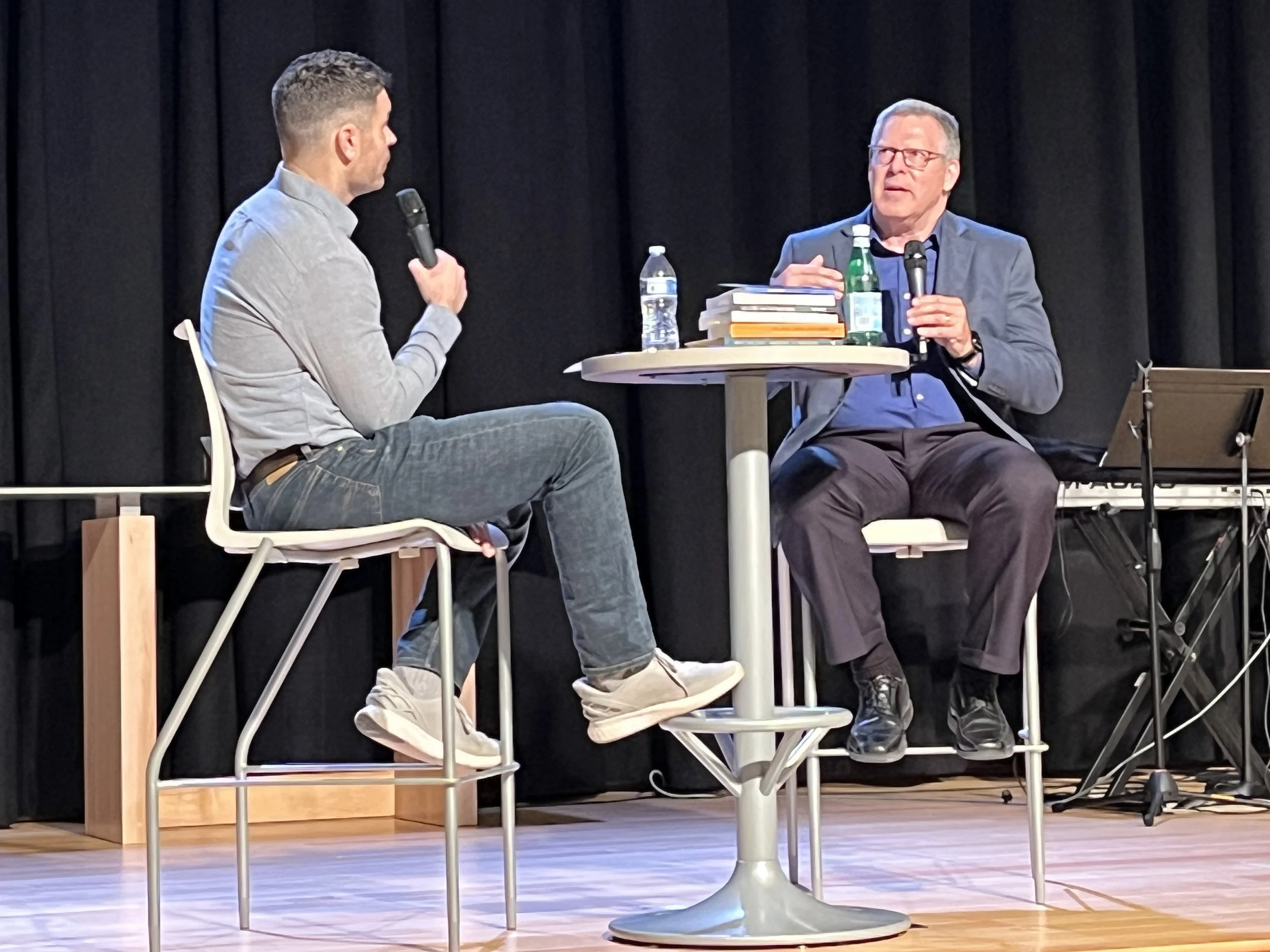
I was floored by the response.
Person after person reached out to me to thank me. Not because they had been through what I had been through. They were navigating their own complicated struggles and messy life challenges.
My openness helped them realize they weren’t alone.
I had also stumbled upon a short video clip from the popular TV series The West Wing. I felt this video was divinely inspired—at least for me.
In the video clip, Josh Lyman, the White House Deputy Chief of Staff, is going through a difficult recovery of his own after being shot in an assassination attempt. Leo McGarry, the White House Chief of Staff, tells Josh a story that goes something like this:
A man walks down a street when he falls into a deep hole and can’t get out.
Soon, a doctor walks by and the man shouts out for help. The doctor writes a prescription, drops it in the hole, and walks away.
Next, a priest passes by. Once again, the man shouts out for help. The priest writes a prayer, tosses it in the hole, and walks away.
Just then, a friend comes along. Desperate, the man in the hole shouts, “Hey, Joe—can you help me out?”
The friend jumps down in the hole.
Astonished, the man in the hole says, “Joe—are you STUPID? Now we’re BOTH down here!”
The friend says, “Yeah, but I’ve been down here before, and I know the way out.”
(The West Wing, Season 2, Episode 10)
The West Wing video clip, together with the response to my trauma recovery interview, led to an epiphany. What if I used the lessons of my struggle to help others?
That’s when I asked myself two life-changing questions. (The second question was the most important.)
What are the things that have helped me most in my recovery—so far?
What are the things that WOULD help me most if I ACTUALLY DID THEM?
The answer to those two questions became my path forward.
They also became a book published three years later titled: LIVE AGAIN! The Road Back from Burnout, Brokenness, and the Battles No One Sees.
Today, with deep gratitude for the everyday heroes who have been a part of my recovery, I’ve made it my personal mission to support people who have dedicated their lives to leading, serving, and making a difference. That’s why I wrote LIVE AGAIN!—so that you can continue to be the answer to other people’s prayers.
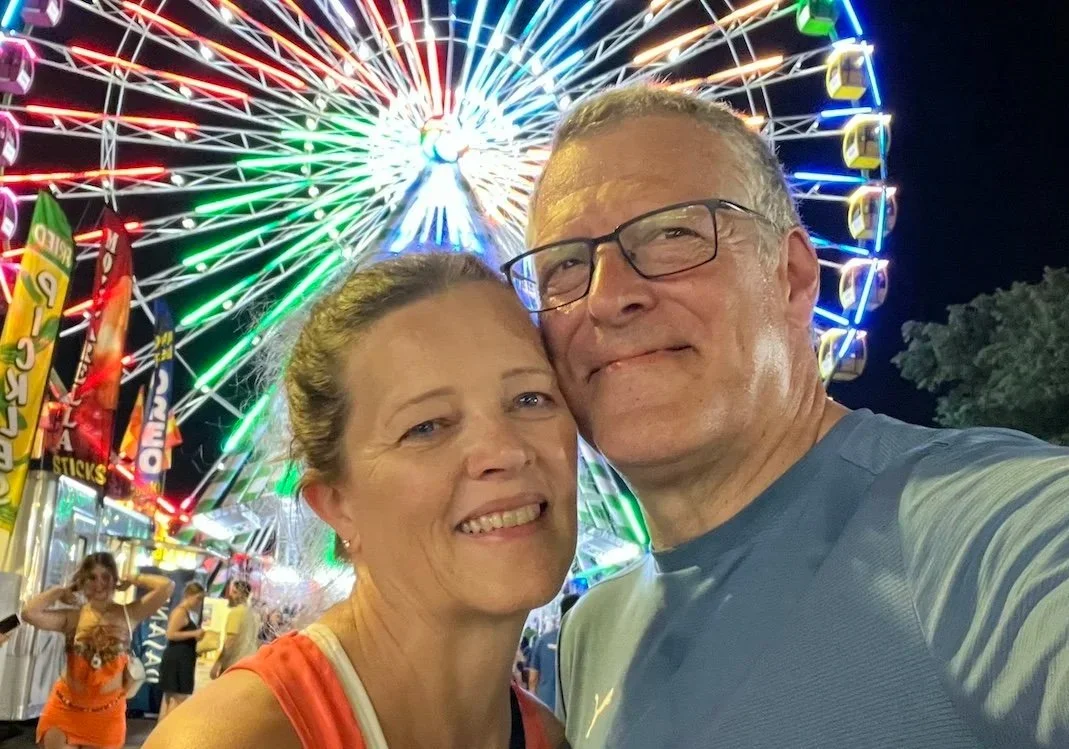
A bit more about me—
I am a seasoned teacher, leader, fundraiser, writer, and speaker with more than 40 years of experience in education and leadership.
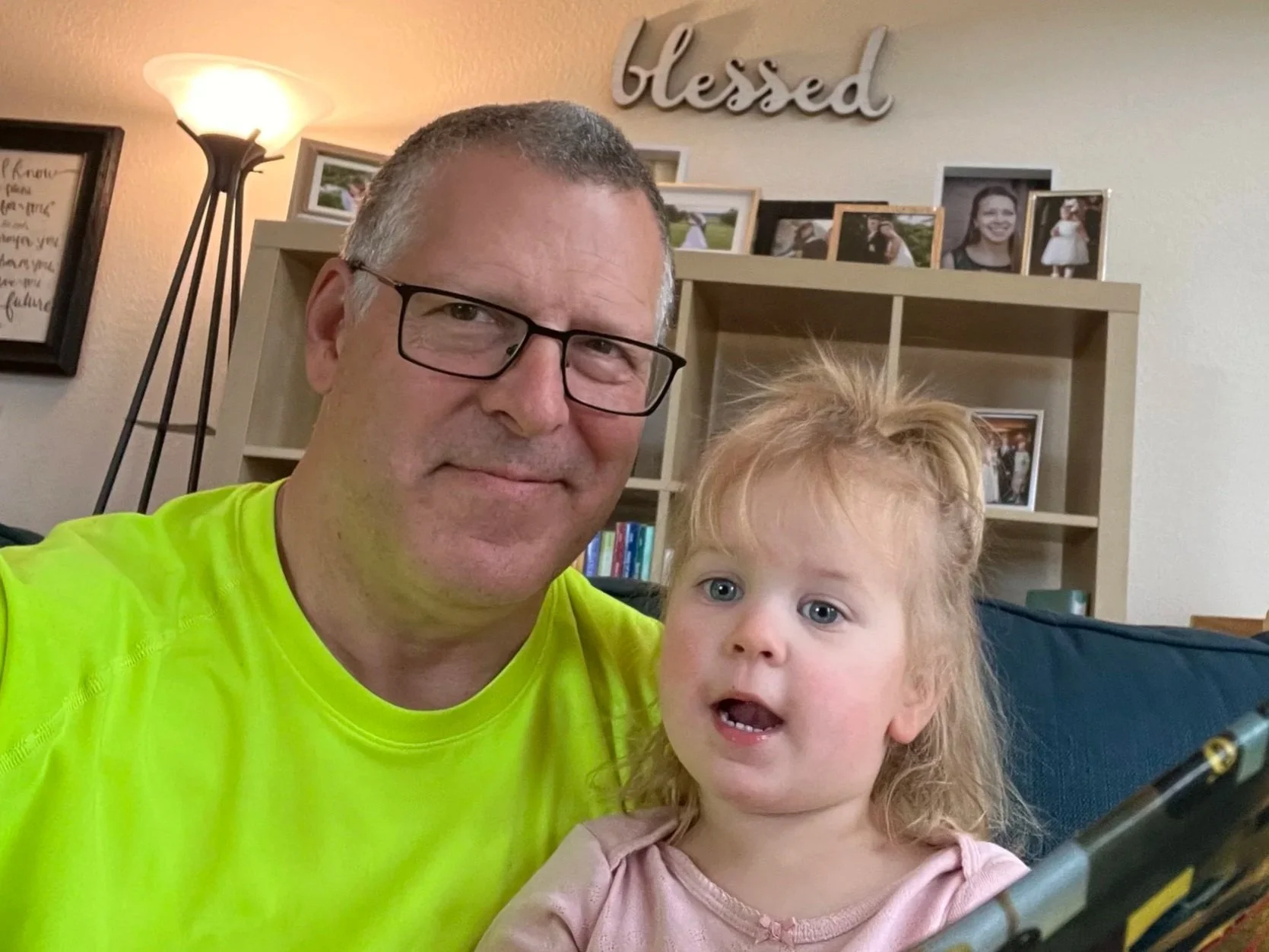
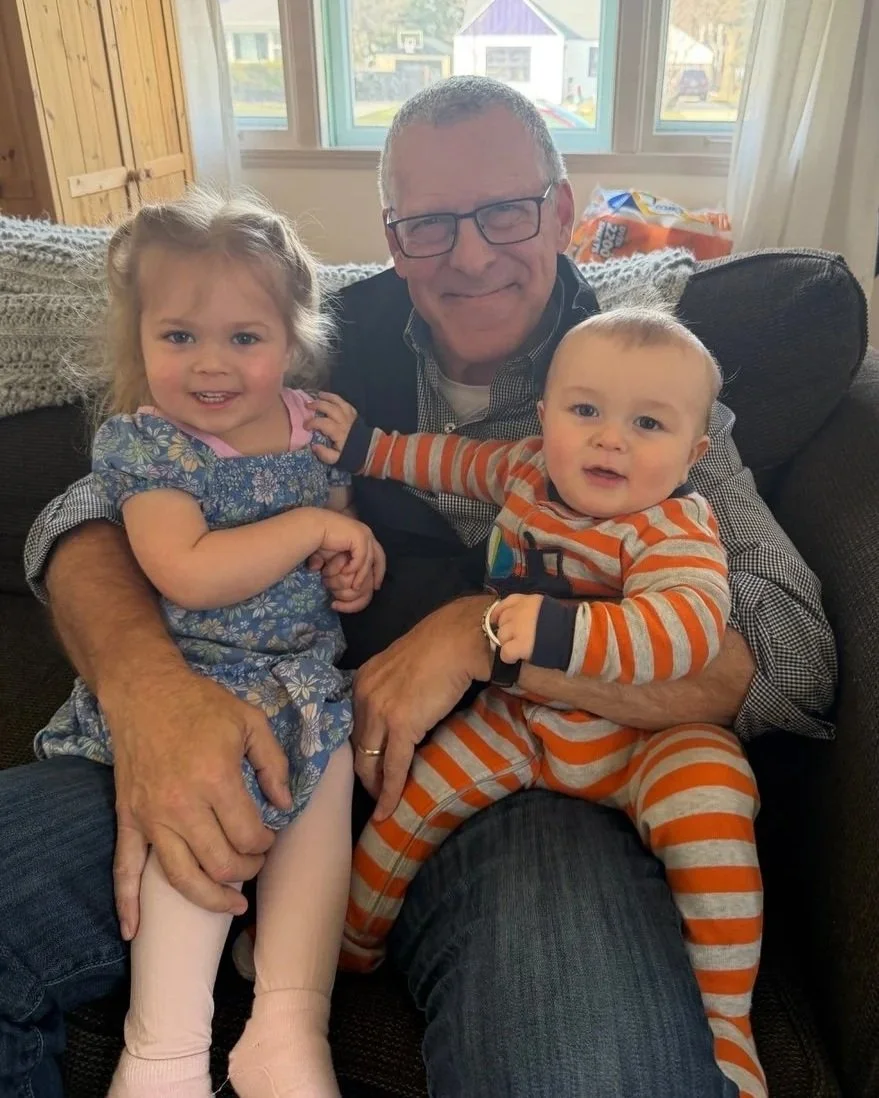
I’m also a husband, dad, and grandfather. I love sunshine and espresso. God has wired me with the unique ability to find coffee shops without asking for directions. I enjoy speaking and teaching, lifting heavy things, cycling, cooking, audiobooks and podcasts, live music, and adventures with my wife, Kristi.
P.S. Friends and colleagues know that my last name is Sebald. When my mom called me by my first and middle name—JOHN ALAN!!!—it always meant she was about to say something that required my undivided attention. That’s why I’ve chosen John Alan as my pen name. It’s a loving nod to honor my mom.