
How identity affects behavior—This is BIG!
True behavior change is identity change.
~ James Clear, Atomic Habits
The Bubba Effect
Texas tried everything to cure its litter problem. Yet roadside cans labeled “Pitch In” remained empty. And the message of the lovable “Give a hoot—Don’t pollute!” cartoon owl fell on deaf ears.
The annual cost of litter removal had reached an astonishing $25 million, and the price tag was increasing by 15% a year. The situation was critical. That’s when Texas hired a research firm from Sacramento.
The firm made two key breakthroughs. The first was identifying a target audience. Who was responsible for the mess?
The profile of the litterbug turned out to be an 18- to 35-year-old male who drove a pickup truck, liked sports, and listened to country music. He didn’t respect authority and wasn’t motivated by signs on garbage cans or cute cartoon owls.
They gave the profile a nickname—Bubba.
The firm also crafted an innovative radio and television advertising strategy. They needed to provide Bubba with more than just new knowledge or skills to change his behavior.
For the strategy to succeed, the firm had to address the core of Bubba’s identity and convince him that PEOPLE LIKE BUBBA do not litter.
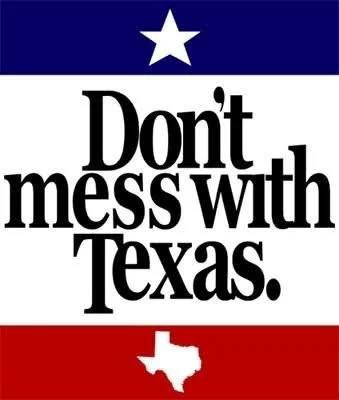
The new anti-litter campaign was branded “Don’t Mess with Texas.” One of the earliest campaign commercials featured two Dallas Cowboys football legends: Ed “Too Tall” Jones and Randy White.
In the TV spot, Jones and White pick up trash discarded on the side of a highway by people who “don’t care much about Texas.”
Too Tall Jones holds up a can and states he has a message for whoever threw it out their window. Randy White agrees—he has a message too. An off-air voice asks, “What’s that?”
White crushes the can with his fist and threatens, “Well, I kinda need to see him to deliver it.”
Jones looks the camera in the eye and responds, “Don’t mess with Texas!”
The long-running Don’t Mess with Texas campaign featured a variety of sports and music celebrities including Houston Astros pitcher Mike Scott, Houston Oiler quarterback Warren Moon, boxer George Foreman, country artist Willie Nelson, and many others.
Don’t Mess with Texas was an instant success. Within one year, roadside litter declined by almost 30 percent, and during the first five years of the campaign, it decreased by an astonishing 72 percent.
What’s the takeaway?
The Don’t Mess with Texas campaign didn’t provide Bubba with new information or an epiphany about littering. Bubba already KNEW that dumping trash on the roadside was both bad and illegal.
The Don’t Mess with Texas message changed Bubba’s long-term behavior by leveraging Bubba’s IDENTITY. This shift in Bubba’s identity, in turn, changed what Bubba BELIEVED about himself, his community, and his neighbors. Because PEOPLE LIKE BUBBA don’t litter!
If you’ve ever tried to change a habit or behavior in yourself or someone else, Don’t Mess with Texas offers a number of profound takeaways.
If you’re like me, you’ve probably spent time learning or teaching new knowledge and skills. You tell yourself, “If only I understood the way to…” or “I wish I knew how to…” or “I’ll try harder next time…”
While knowledge, skills, and effort matter, you may be overlooking a powerful tool for long-term change: your identity.
This week, in honor of our Texas friend, Bubba, I’d like you to make the following lists:
Make a list of areas of your life where you’ve been challenged to make an overdue behavior change. This might be as simple as throwing litter out the car window like Bubba, exercising regularly, controlling your temper, or showing up on time for meetings and appointments.
Now, make a list of individuals you respect and admire (living or deceased, real or fictional) who exemplify the new behavior you’d like to acquire.
We will put this list to good use in the weeks to come as we focus on the surprising ways you can leverage your identity.
I’m incredibly grateful for you. Thank you for the opportunity to take this journey together.
Until next time,
John Alan
